

Who pays for repairs and renovations in a rental apartment?
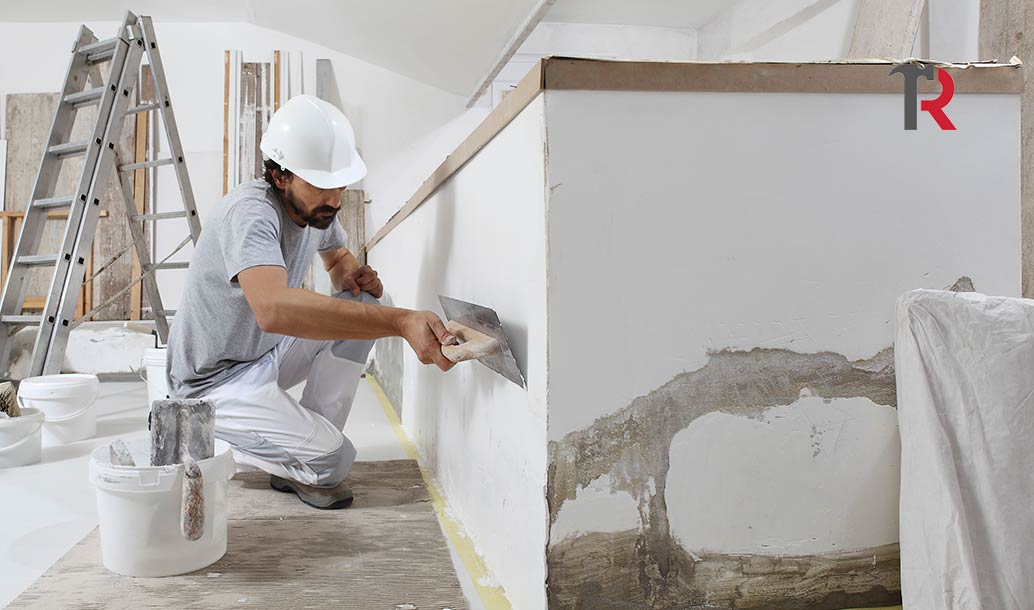
When it comes to maintaining a rental property, one of the most common questions is: who is responsible for repair and renovation costs? To answer this question, it is essential to understand the responsibilities of both the landlord and the tenant according to the law and the terms of the lease agreement.
Urban Leases and Repairs Law
The Urban Leases Act (LAU) establishes the framework for determining who is responsible for repairs and renovations in a rental property. According to the law, responsibility for these expenses is divided between the landlord and the tenant, depending on the type of repair.
Repairs to be paid by the owner
The homeowner is responsible for repairs deemed necessary to maintain the property in habitable condition. This includes:
- Structural Repairs: Damage to the building structure, such as leaks, problems with main pipes, or problems with the electrical system that are not due to improper use by the tenant.
- Household appliances: If the landlord provides household appliances such as a washing machine or a heater, he is responsible for their repair or replacement if they break down through no fault of the tenant.
- Significant Improvement Works: Any renovation that significantly improves the quality or value of the property is usually the responsibility of the owner.
Examples of Repairs Responsible for the Owner
- Damaged Blinds: If a blind is damaged due to normal wear and tear or a defect, the landlord is responsible for its repair or replacement. However, if the damage is caused by misuse by the tenant, the tenant will be held responsible.
- Broken Heater: If the heater breaks down and the damage is not the tenant’s fault, the landlord must cover the repair or replacement costs.
Repairs to be paid by the tenant
On the other hand, the tenant is responsible for minor repairs and daily home maintenance. This includes:
- Minor Repairs: Things like changing a light bulb, fixing a leaky faucet, or replacing a broken switch are generally the tenant’s responsibility.
- Own Appliances: If the tenant has brought their own appliances, such as a washing machine, they must take care of their maintenance and repair.
Examples of Repairs Responsible for the Tenant
- Personal Washing Machine: If the washing machine is owned by the tenant, he must cover the costs of any repairs or maintenance it needs.
- Damage due to Improper Use: Minor damage caused by the tenant’s everyday use, such as small scratches on the walls or a dripping faucet due to misuse, is the tenant’s responsibility.
How is Responsibility Determined
To determine who should pay for a repair, the following factors should be considered:
- Type of Repair: Is it a major structural repair or a minor repair?
- Cause of Damage: Was the damage caused by normal wear and tear, a defect, or improper use by the tenant?
- Lease Agreement: Specific clauses in the contract may define additional responsibilities or exceptions.
Special Cases
- Maintenance Works: If the owner carries out a renovation to improve the home (such as changing the flooring or painting), the cost is usually borne by him, unless otherwise agreed in the contract.
- Non-Extendable Damages: In cases where the damage compromises the habitability of the property, the owner must intervene to ensure that the dwelling remains habitable.
[banner_blog_esp]
What to do if there is a disagreement?
If a disagreement arises between the landlord and the tenant about who should pay for a repair, it is advisable to follow these steps:
- Review the Rental Agreement: Check the specific clauses regarding repairs and maintenance.
- Document the Damage: Take photos and make a detailed report of the damage to have clear evidence.
- Negotiate: Try to reach an amicable agreement on who should cover the costs.
Consult with a lawyer: If the conflict cannot be resolved, consider seeking legal advice to learn about your rights and obligations.