

The 10 designer chairs you should know about
History of design
They’re hard not to recognize: iconic and irreplaceable. We’ve compiled a list of designer chairs that continue to inspire us with their aesthetics and functionality. Which one is your favorite?
Something as simple and common as a chair can become a unique piece. But for this to happen, it takes the mind of a designer who sees much more than just a piece of furniture to sit on. These designer chairs revolutionized interior design and continue to do so today. Their success knows no bounds, and many brands choose to create their own versions. In this list, we’ll explore the authentic ones, so… take a seat and enjoy the journey!Which designer chairs stand out in the world of interior design?
Hill House – Charles Rennie Mackintosh (1902)
Also known as the ‘Mackintosh chair’, it was designed for the bedroom of Hill House, a private residence in Helenburgh, Scotland. Its most striking feature is a backrest that extends in a stepped fashion to reach a height of 1.4 meters. Influenced by both modernism and Japanese design , Mackintosh did not aspire to create a simple piece of furniture to sit on, but rather a work of art to be admired.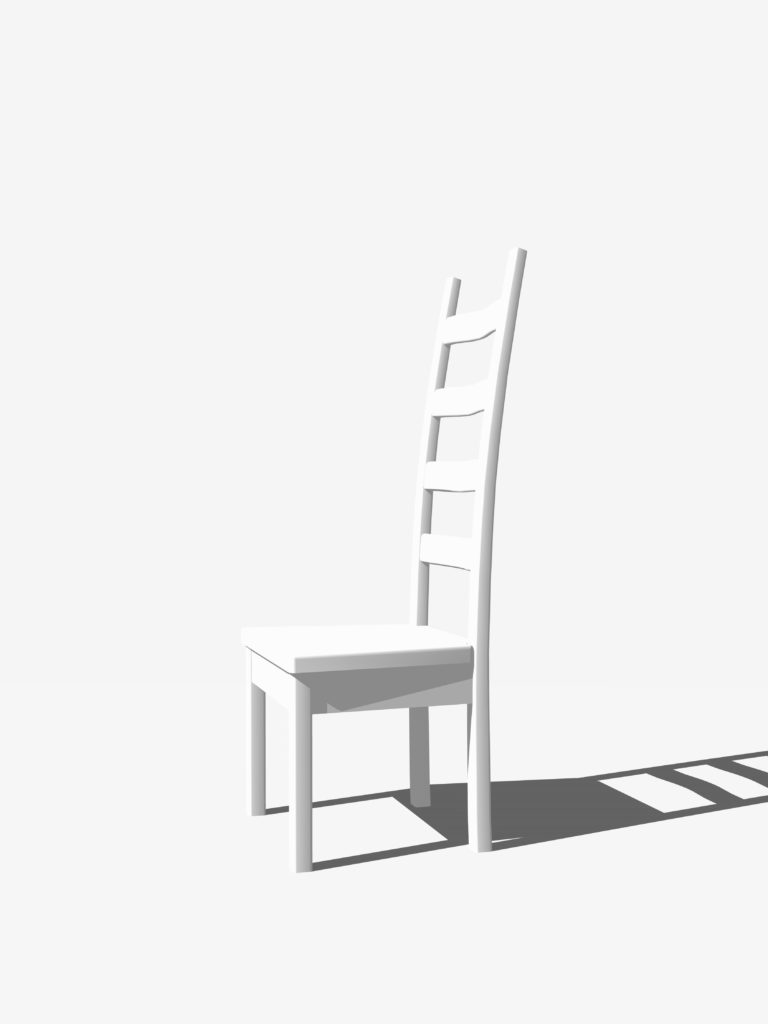
Cesca – Marcel Breuer (1928)
The Hungarian architect and designer was one of the most influential figures of the Bauhaus school. The most revolutionary aspect of this chair? He managed to make it rest on only two legs. Flexible and very comfortable , it adapts to any style and we’ve seen it in living rooms as well as study areas. Breuer drew inspiration from traditional craftsmanship and opted for industrial materials to give it a more modern finish .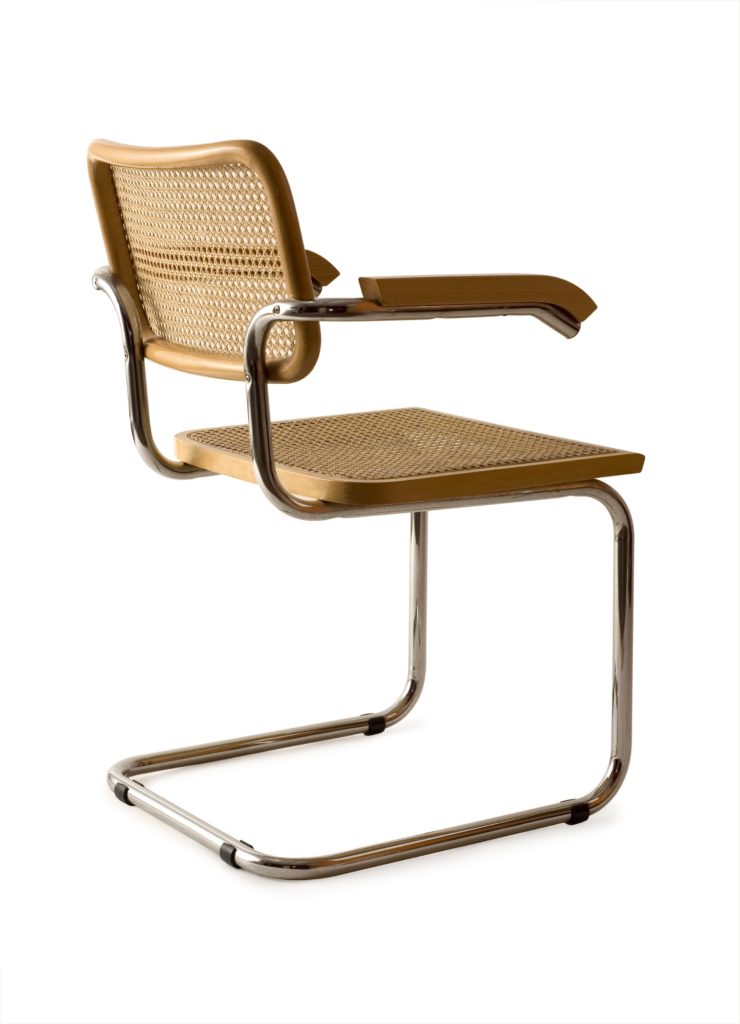
Ziz Zag – Gerrit Thomas Rietveld (1934)
Throughout his career, Rietveld was influenced by Cubism and enjoyed deconstructing the forms of the pieces he designed. The best example is this chair with its diagonal lines that achieve both lightness and firmness . The four panels fold sequentially, creating an elegant optical effect.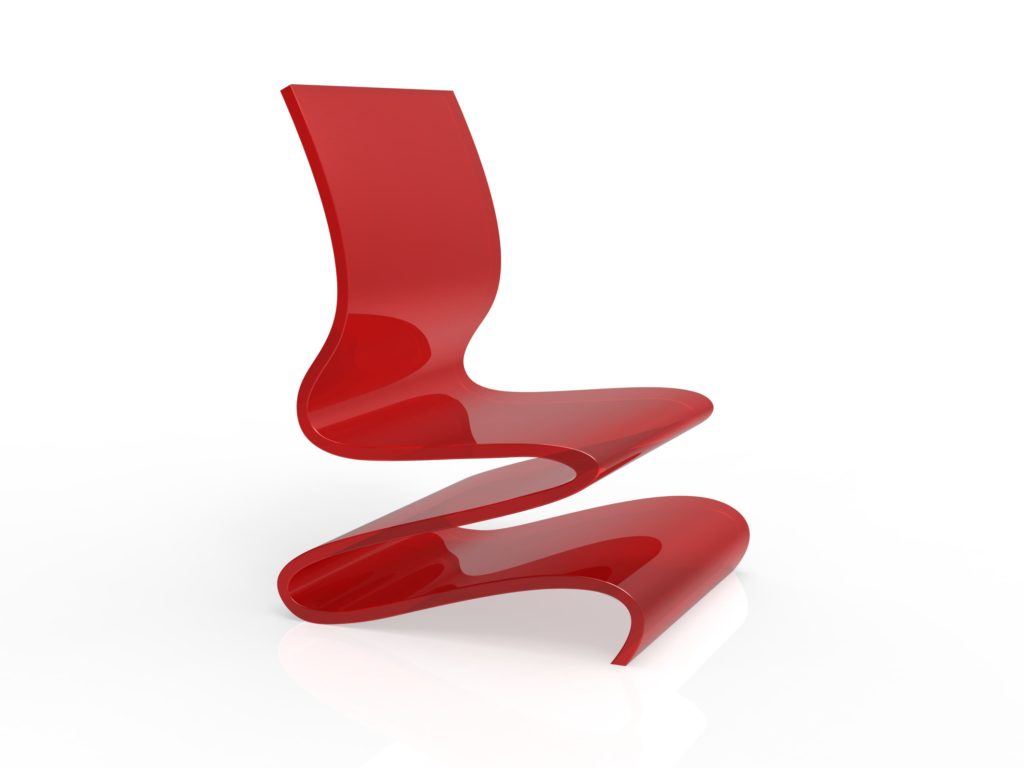
Butterfly – Bonet, Kurchan and Ferrari (1938)
Also known as the BKF chair , it’s a modern classic. Both elegant and informal, the Butterfly chair revolutionized seating, offering greater freedom of movement at social events. Its curved steel frame supports a leather cover that can be easily swapped, making it incredibly versatile . In the 1950s, three thousand Butterfly chairs were manufactured per week in Los Angeles alone.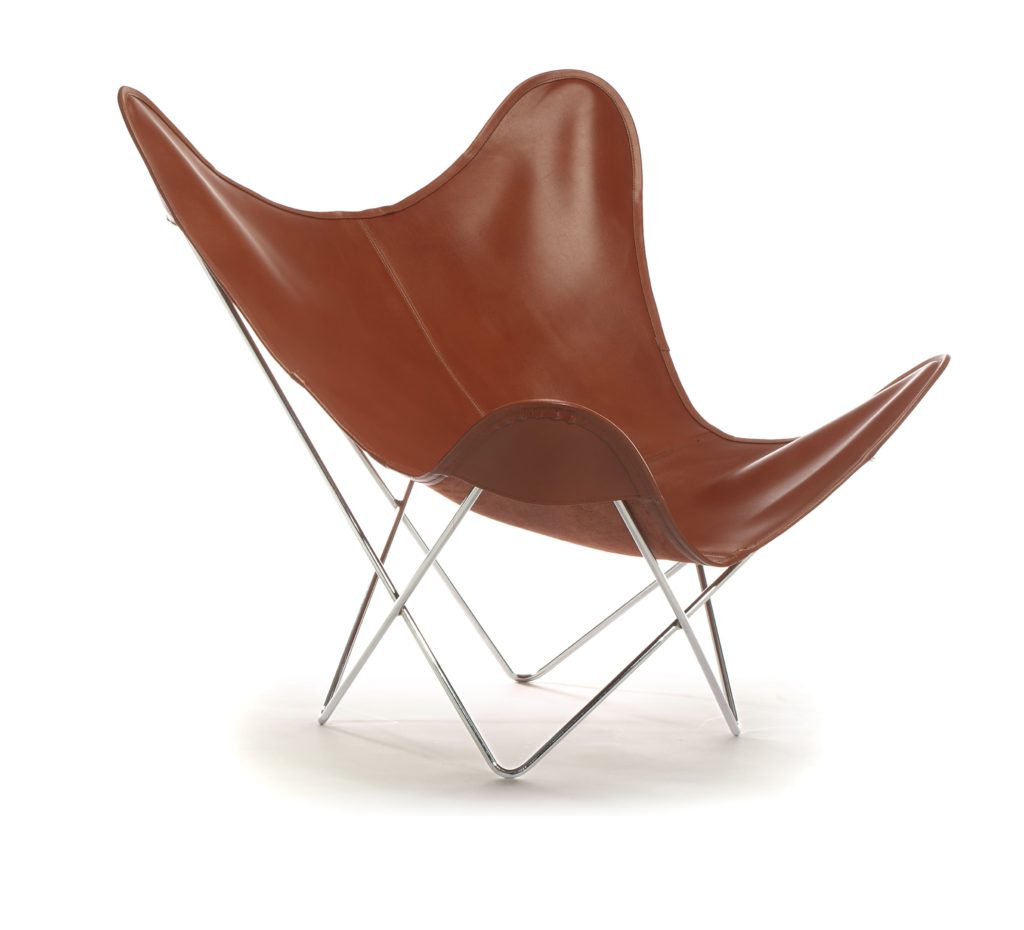
Ant- Arné Jacobsen (1951)
The chair gets its name from its shape, which resembles an ant with its head raised. Its creator had a clear vision: it should be lightweight, stable, and easy to move . The first models had plastic legs, but these were replaced with steel tubing when mass production began. Incidentally, Jacobsen originally designed the Ant chair with three legs , but a four-legged version was later created.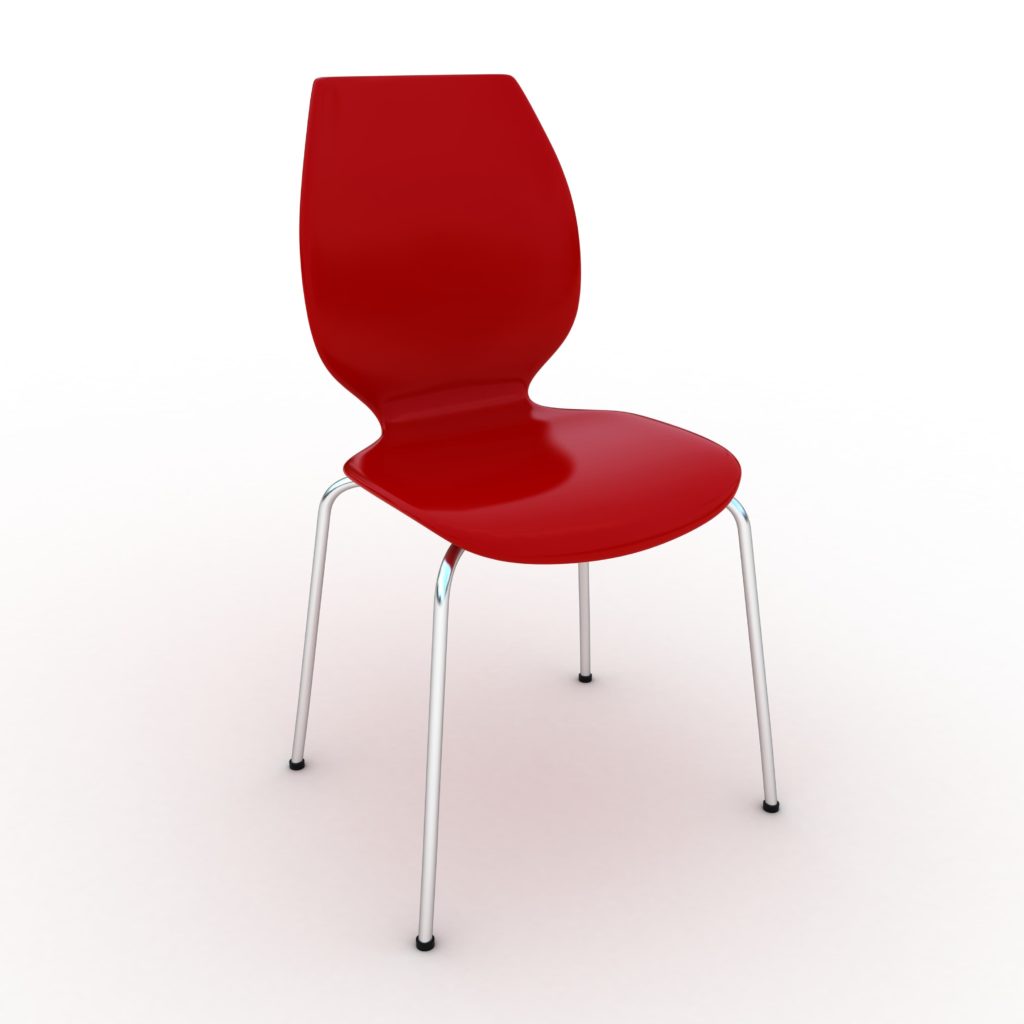
Tulip – Eero Saarinen (1957)
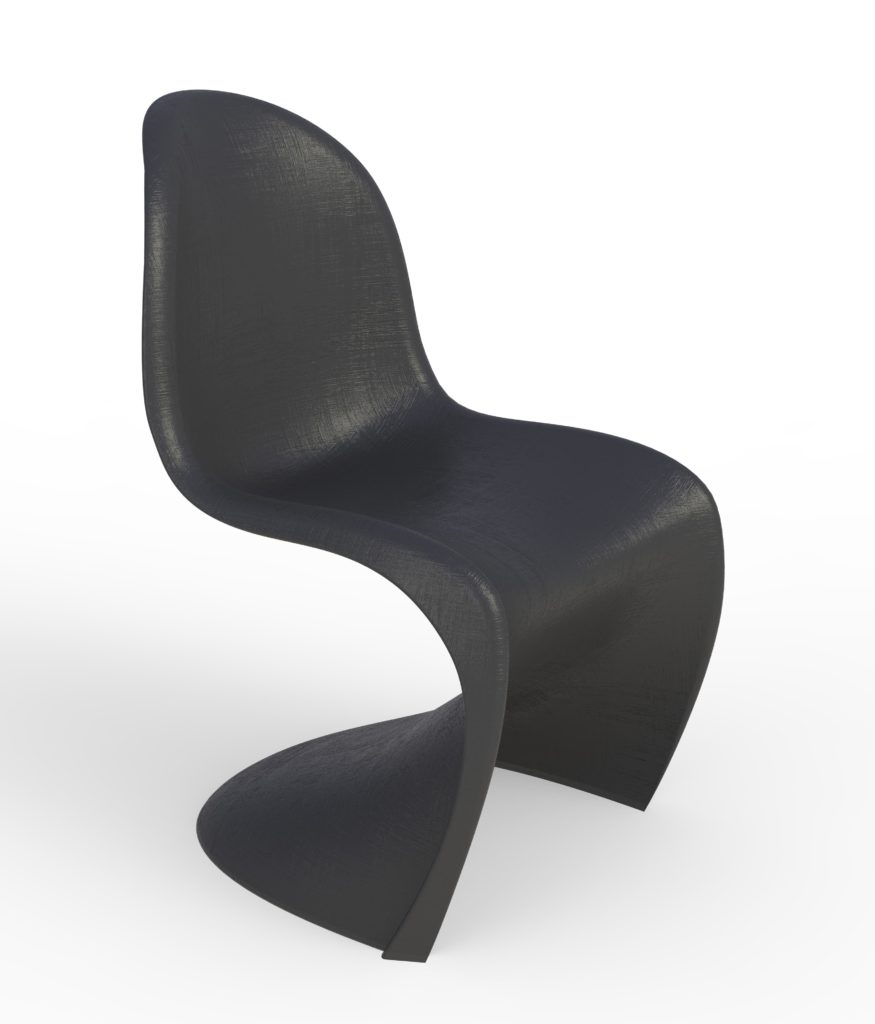
Winner of the Museum of Modern Art Award in 1969 and the Design Center Stuttgart Award in 1962, it reflects its creator’s retro-futuristic vision. A dynamic and comfortable piece that can be paired with the Tulip table . With an aluminum leg and a fiberglass top, Saarinen also sought to break up the stark white by adding color in the upholstered cushion.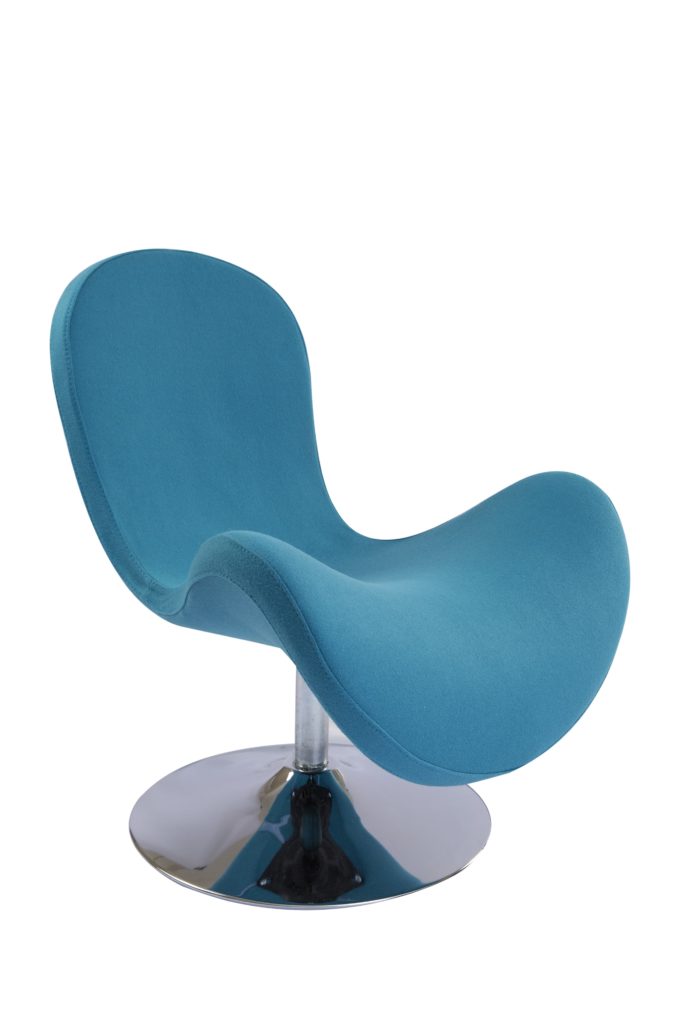 Panton – Verner Panton (1959)
Its mass production began in 1967 , making it the first plastic chair manufactured in a single piece. Its lines and slightly flexible material provide a great sense of comfort . The Panton Chair has won numerous international design awards and is a true icon of the 1960s.
Wiggle Side – Frank Gehry (1972)
It belongs to the Easy Edges furniture series , with which Gehry marked a turning point thanks to the use of such unconventional materials as cardboard . Despite this, it is a comfortable and durable chair that stands out for its sculptural form . Perfect for any space due to its great visual and aesthetic value .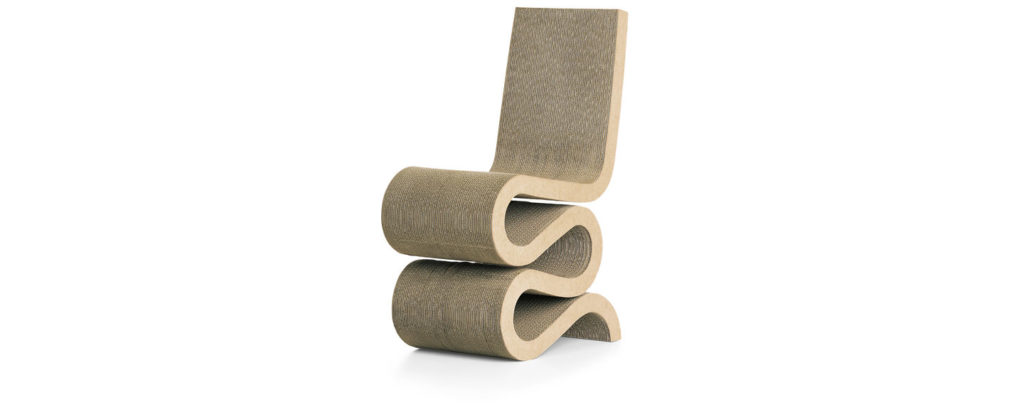
Toledo – Jorge Pensi (1986)
Did you know that Pensi drew inspiration from a meat slicer? The aluminum, the curves, and the assembly of the slicer were the elements he wanted to reinvent in his design. The result is a versatile, dynamic, and very comfortable piece , built for durability . Perhaps that’s why it’s one of the most successful outdoor chairs. It can be stacked up to four stories high and withstands extreme temperatures.
Louis Ghost, by Philippe Starck (2002)
Fun, daring, and also the newest. That’s how this piece, inspired by the lines of the Louis XV armchair, can be described. Philippe Starck aimed to surprise, and without a doubt, he succeeded. It’s made of transparent polycarbonate in a single mold. But, although it may seem delicate, it’s actually quite stable and durable. It has personality , elegance, and the ability to adapt to any style.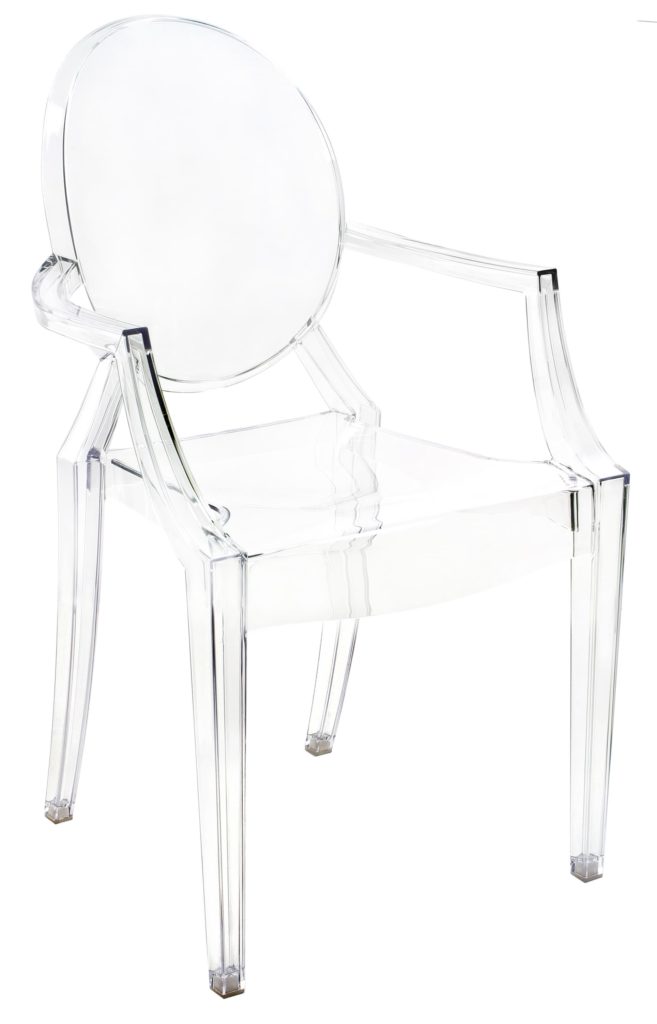
What will be the next piece we add to this list of designer chairs?