

Lighting in Kitchen Design: Secrets Revealed
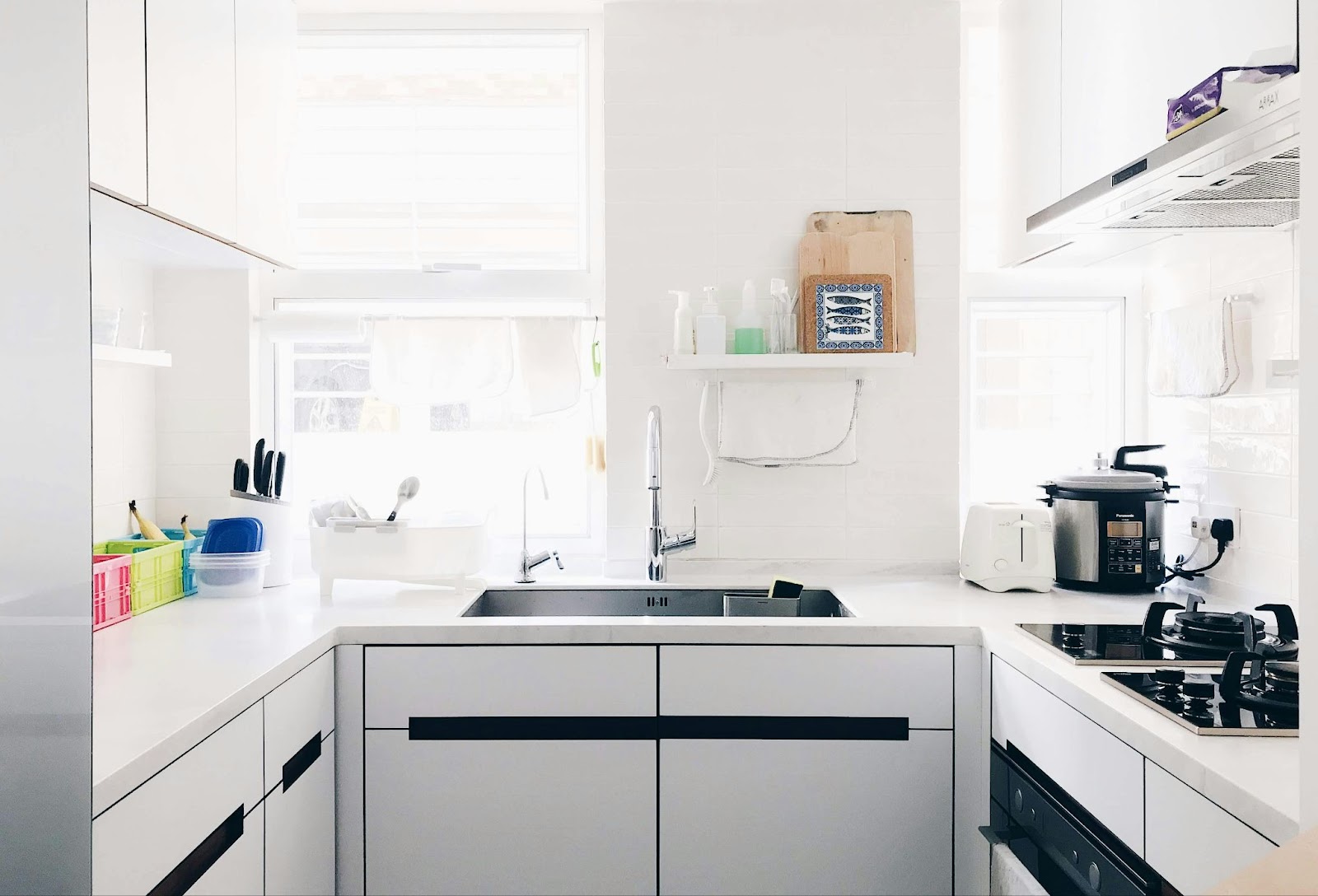
A well-designed kitchen isn’t just measured by its layout or finishes, but also by its lighting. Lighting is one of the most powerful and often undervalued elements in a kitchen renovation. It not only enhances the aesthetics of the space, but also transforms its functionality, comfort, and even the mood of those who use it.
In this article we tell you why lighting is key in kitchen design and reveal the secrets we apply at OAK to achieve bright, practical and stylish kitchens.
Why is lighting so important in a kitchen?
The kitchen is one of the busiest spaces in the home. It’s where people cook, socialize, sometimes work, or even have breakfast. Therefore, the lighting must meet three requirements:
- Functionality : allowing you to cook, clean and move around comfortably.
- Aesthetics : highlighting materials, colors, and overall design.
- Atmosphere : create a pleasant, welcoming or sophisticated atmosphere, according to the style of the home.
Poorly designed lighting can make even a beautiful kitchen look dull, uncomfortable, or impractical.
Types of lighting in kitchens (and how to combine them well)
An effective kitchen lighting design should include layers of light that complement each other:
1. General lighting
It’s the main light source for the entire kitchen, allowing you to see the whole space. Ideally, it should be even, without harsh shadows, and come from well-distributed ceiling lights or recessed spotlights.
OAK Tip: In small kitchens or open-plan kitchens, recessed dimmable LED spotlights are the best option. They provide light without overwhelming the space.
2. Spot lighting
This is lighting directed at key areas, such as the countertop, sink, or cooking area. It’s essential for cooking comfortably and safely.
OAK Tip: Installing LED strips under upper cabinets is a practical, aesthetic and energy-efficient solution.
3. Ambient or decorative lighting
It’s what gives it personality. Pendant lights over an island, a hidden LED strip in a baseboard, or warm light in display cabinets can transform a kitchen from functional to spectacular.
OAK Tip: Combine color temperatures (warm for ambient, neutral for work) and regulate the intensity if possible.
Common mistakes when lighting a kitchen (and how to avoid them)
Although each project is unique, there are some mistakes we frequently see:
- Using a single central light source : creates shadows and dark corners.
- Forgetting the work light : cooking without good visibility is not only uncomfortable, it can also be dangerous.
- Ignoring the color of furniture and surfaces : very dark materials absorb light, while white ones reflect it.
- Not regulating the intensity : a kitchen may need bright light in the morning and a soft ambiance at night.
If you’re renovating your kitchen or designing it from scratch, consider all these elements from the very beginning. Integrating lighting into the design from the initial phase is key to achieving a harmonious result.
Smart lighting: the next step
Today, many kitchens incorporate smart lighting systems , allowing you to control the lights from your mobile phone, program them, or adjust their temperature and intensity. This provides energy efficiency, convenience, and a modern touch.
If you’re interested in this topic, we recommend reading our article on what a home automation system is .
At OAK, every detail counts (and the light, even more so)
At OAK 2000, we don’t just design beautiful kitchens: we design spaces that function . And light is an essential part of that experience. We approach each project individually, choosing lighting solutions that improve our clients’ daily lives and enhance the overall design.
If you’re thinking about renovating your kitchen and want a functional, modern space with carefully planned lighting,
Contact us . We’d be delighted to help you bring light (and life) to your new kitchen.