

How to soundproof the wall of your house?

Living in a big city like Barcelona has many advantages, but it can also bring with it a fairly common problem: noise . Whether from neighbors, traffic, construction, or commercial activity, many homes need effective solutions to improve acoustic comfort.
Soundproofing a wall is one of the most effective ways to reduce sound entering or leaving a room, and in this article we’ll tell you how to do it right, what materials to use, and when it’s worth taking the plunge.
What does soundproofing a wall involve?
When we talk about soundproofing, we’re referring to reducing the transmission of sound between spaces using physical barriers. This can be applied to ceilings, floors, or windows, but the most common solution starts with party walls , especially in older apartments or those with thin walls.
Soundproofing a wall involves creating a new acoustic layer or coating that interrupts the propagation of sound, absorbs some of the sound energy, and improves interior comfort.
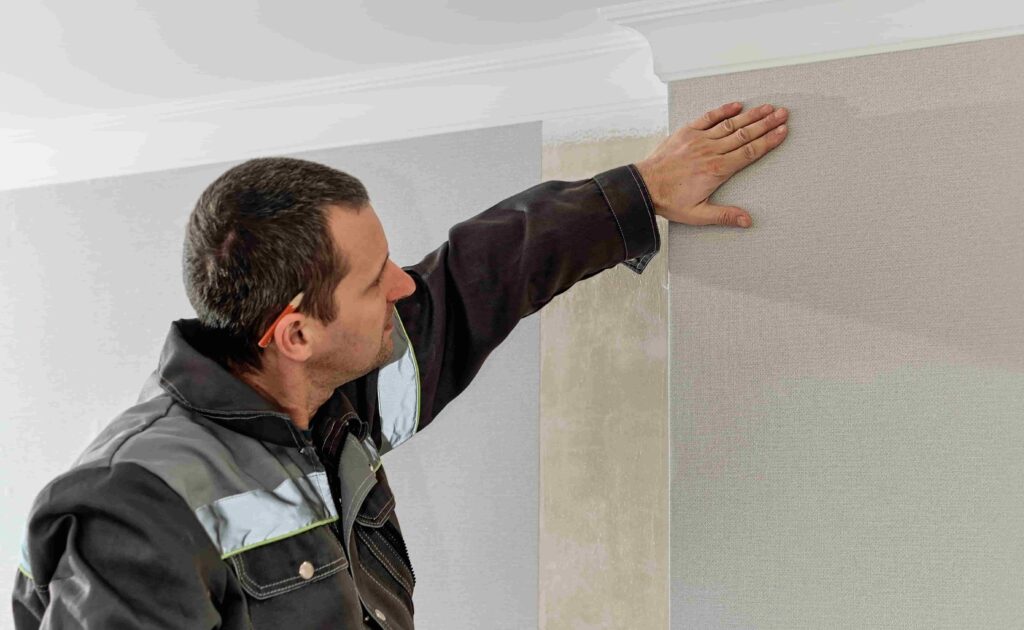
What materials are used for soundproofing?
Rock wool or mineral wool
It is one of the most widely used materials due to its excellent ability to absorb sound waves . In addition, it offers thermal insulation and is fire-resistant.
Plasterboard panels (acoustic Pladur type)
Installed with an air chamber and absorbent material, they allow the creation of a double wall that considerably reduces noise.
Acoustic foams
They are commonly used in recording studios or rooms with technical requirements. They have good absorption but are not aesthetically pleasing, so they are hidden behind panels or coverings.
Acoustic membranes
They are placed between layers of materials to improve insulation without increasing the thickness of the wall too much .
How is the installation done?
- Current condition review: Before installing anything, it is important to identify where the sound is coming from: window seals, sockets, cracks, etc.
- Placement of metal structures: They serve as a base for mounting the panels and allow for an air gap between the original wall and the new layer.
- Acoustic insulation filling: Rock wool or similar is placed inside the structure.
- Installation of panels: The special acoustic plasterboard panels are screwed in and all joints are sealed.
- Final finish: It can be painted, tiled or clad according to the style of the room.
How much space is lost?
It depends on the system chosen, but it usually ranges between 6 and 10 cm in thickness . In most cases, priority is given to soundproofing only one wall (the one facing the noise source), so the loss of space is minimal and worthwhile for the comfort gained .
Is it worth soundproofing your home in Barcelona?
If you live in a high-density area , near busy roads, bars or shops, soundproofing a wall can make the difference between an uncomfortable house and a peaceful home.
It is also a recommended solution if you are renovating an old home or carrying out a complete renovation in Barcelona , as it can be planned along with other structural improvements.
Furthermore, if you live in neighborhoods like the Eixample , where many buildings share thin or old walls with other apartments, this measure improves the quality of life without altering the aesthetics of the building.
At OAK, we take care of the acoustic comfort of your home
In every renovation project, silence is also part of the design . It’s not just about beautifying a space, but about making it more functional and comfortable.
If you’re thinking about renovating your home and want to reduce outside noise or noise between rooms, at OAK we can advise you on the best sound insulation solutions for your specific situation.
Contact us and transform your house into a truly livable space, inside and out. Because living better also starts with listening less.