

Benefits and savings in home energy renovation
Opinions
When we think about home renovations, the goal is obvious: to enhance the appearance of our home, improve our comfort and well-being, create spaces adapted to all the occupants of the house… but sometimes (although less and less) we arrive at an equally important benefit: it is possible to increase our well-being at home by spending less and being more considerate of the ecosystem.
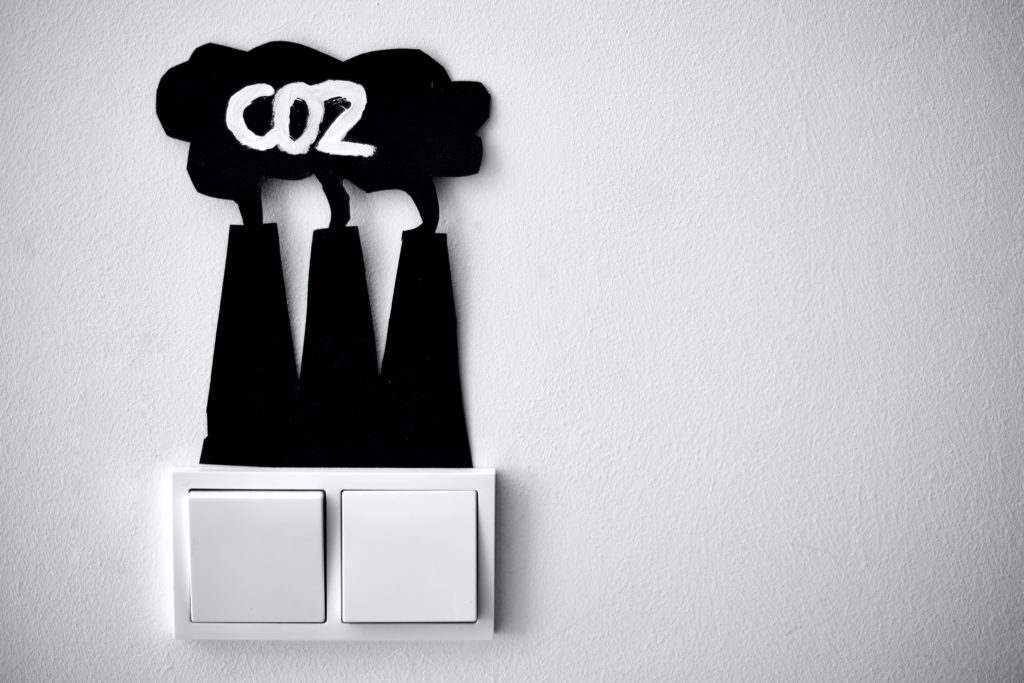
Achieving standards of energy efficiency, sustainability, and the fight against climate change and greenhouse gases begins in our own homes.
You can start by considering these aspects in your renovation project:
Home improvements: What should we consider?
If we truly want our home to be a model of energy efficiency, we can and should consider the following to achieve this:- Essential: insulation . The climate control system we choose is crucial, but if the house isn’t properly insulated, even the most efficient system will be ineffective. We need to consider this in windows, walls, partitions, and floors.
- Minimize thermal bridges . Thermal bridges in buildings are areas where significant heat loss occurs, affecting the energy demands of interior spaces. Even proper air conditioning and insulation won’t help if we leave areas where heat can dissipate inside the house.
- Windows and their importance . In line with the two previous points, double or even triple glazing is the best way to achieve good insulation and reach the ideal temperature without wasting energy, so we recommend you keep this in mind when considering replacing your windows. Your initial investment will translate into up to 50% savings on your bills and increased happiness.
- Building materials. The choice of materials is not (or should not be) arbitrary or guided solely by aesthetics. Some materials are inherently more sustainable and, given their properties, allow you to consume less. That’s why it’s important to always follow the advice of building materials experts. For example, when installing underfloor heating , it should be combined with a floor that conducts heat (such as ceramic tile), as it is a good heat conductor. You’ll find that your bills will be considerably reduced. In this case, conductive materials are preferable to insulating ones.
What can you do to save energy in your daily life?
Clearly, energy savings are greatly affected by the points above, but if we waste energy by misusing different systems in our daily lives, sustainable reforms will be useless. Therefore, we must pay attention to our habits to have a significant impact on energy savings:- Use more efficient appliances. In March, the new energy label for household appliances came into effect; class A is the most efficient and class G contributes the least to energy savings.
- Optimize your heating usage: the room temperature should be kept between 19°C and 21°C (ideally between 15°C and 17°C for sleeping). It’s crucial to remember that for every degree you raise the temperature, you use 8% more energy. To achieve greater savings without compromising thermal comfort, the most practical approach is to program the heating to turn on when the ambient temperature drops below 14 or 15 degrees, making it easier to reach the desired temperature. At night, if you have good insulation, such as windows and/or walls, you can turn off the heating because it’s easier to maintain the temperature reached during the day.
- The reflector behind the radiator , a simple trick, facilitates the distribution of heat throughout the room through the rebound effect. According to the OCU (Spanish Consumers’ Association), you can save between 10% and 20% with this system.
- It also takes advantage of all the features of curtains (especially if they have a high degree of opacity) and blinds : in addition to regulating the amount of light, they also act as thermal insulation. However, remember that the closer we get to the problem, the more effective the solution will be, so if we want to insulate ourselves from the cold outside, blinds will be more effective than curtains.
- If your windows are not currently well insulated, make sure to cover all possible gaps, for example, with weatherstripping: this is an inexpensive and easy-to-install solution until you can replace them with a more efficient one.
- Ventilation is important, but to prevent heat from escaping in winter or cold from escaping in summer, 10 or 15 minutes of ventilation is sufficient. Furthermore, in the warmer months, it’s best to ventilate in the morning to take advantage of cooler temperatures, while in the winter months, it’s better to do it in the middle of the day.
|
To hire the cheapest and best electricity company, you must consider the characteristics of the electricity company itself as well as the characteristics of the property you are contracting.