

Bauhaus style features to introduce it into your home
Interior Design
The characteristics of the Bauhaus style and its evolution have always been a focus of interest for interior designers. Its fusion with modern styles has resulted in a highly attractive and sought-after decorative style for the home.
The Bauhaus style, of German origin, is admired worldwide. Its characteristics make it so special that efforts are being made to introduce it not only into interior design and decoration, but also into architecture and other design fields such as graphic and industrial design .
We delve into the exquisite particularities of the Bauhaus style, from which it is even possible to implement a lifestyle.
What does the Bauhaus style aim to achieve?
The Bauhaus style is often associated with minimalism, but it has nothing to do with the Nordic or Scandinavian styles that come to mind when we think of that word. It’s just one point of commonality: both styles, when it comes to decoration, pursue a minimalist approach . Bauhaus, as a concept, from its origins in the 20th century to the present day, has the main objective of implementing engineering knowledge in the making of both furniture and other accessories characterized by, at least, these two things: that they are as useful and economical as possible .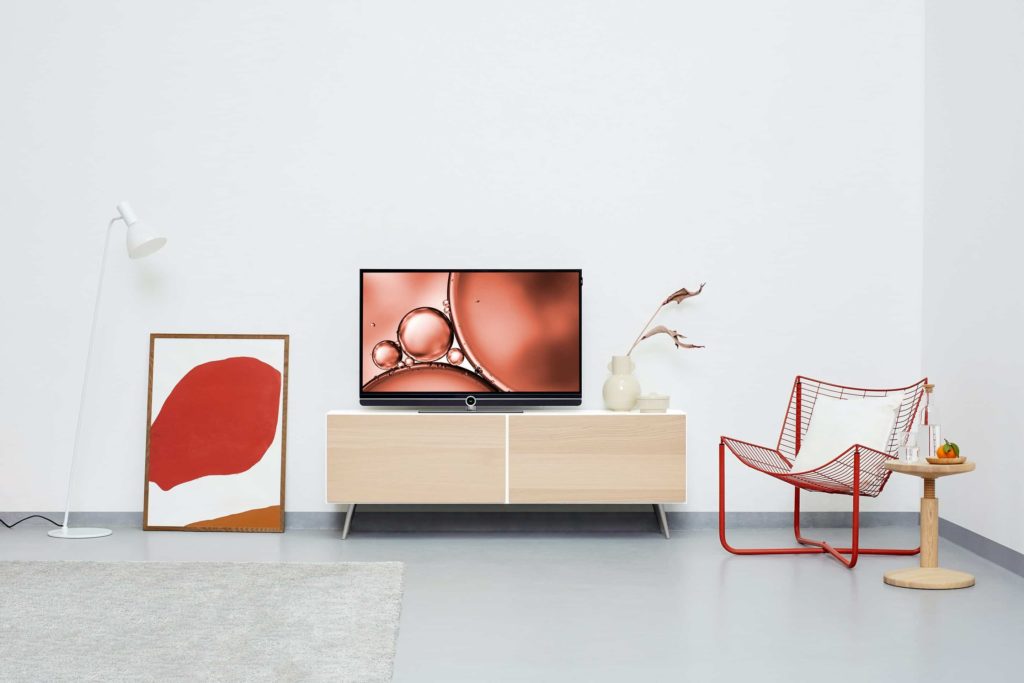
Where did the Bauhaus style come from?
It’s worth noting that this decorating style originated from the Bauhaus school, also known as the Staatliche Bauhaus , which translates to ‘State Building House’ . This school laid the foundations for modern industrial architectural design, with its distinctive and appealing characteristics that are well-suited for home interiors.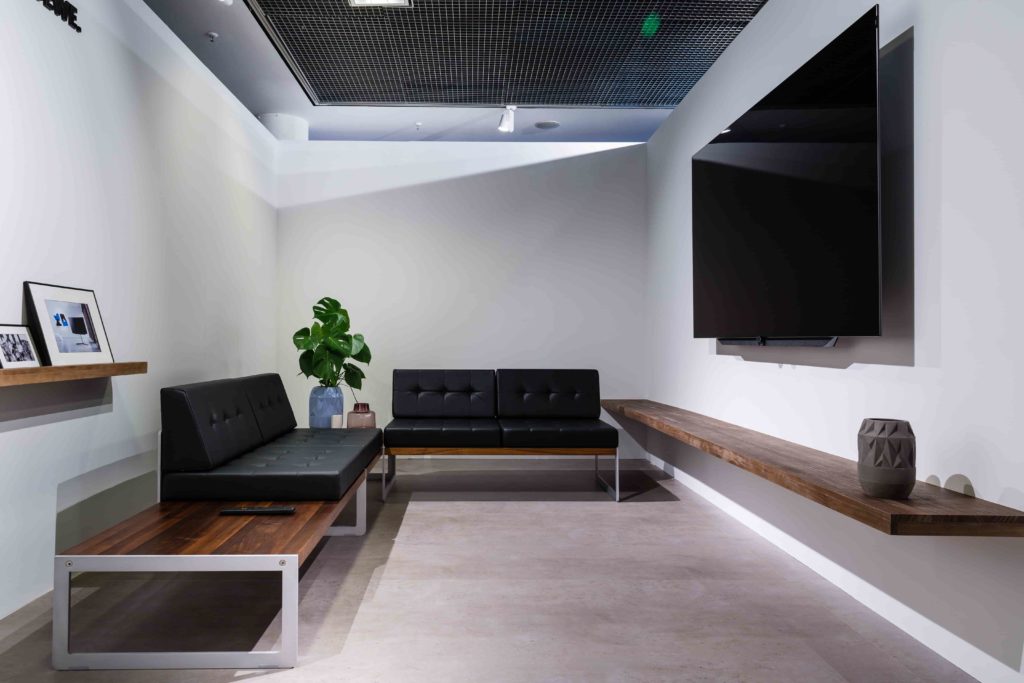
What are the characteristics of the Bauhaus style? The 4 key points
The Bauhaus art movement has transformed over time thanks to the participation of renowned artists such as Kandinsky , who joined the project, which was the Bauhaus school at that time, in 1922. Throughout its transformation, these four fundamental pillars have always been present.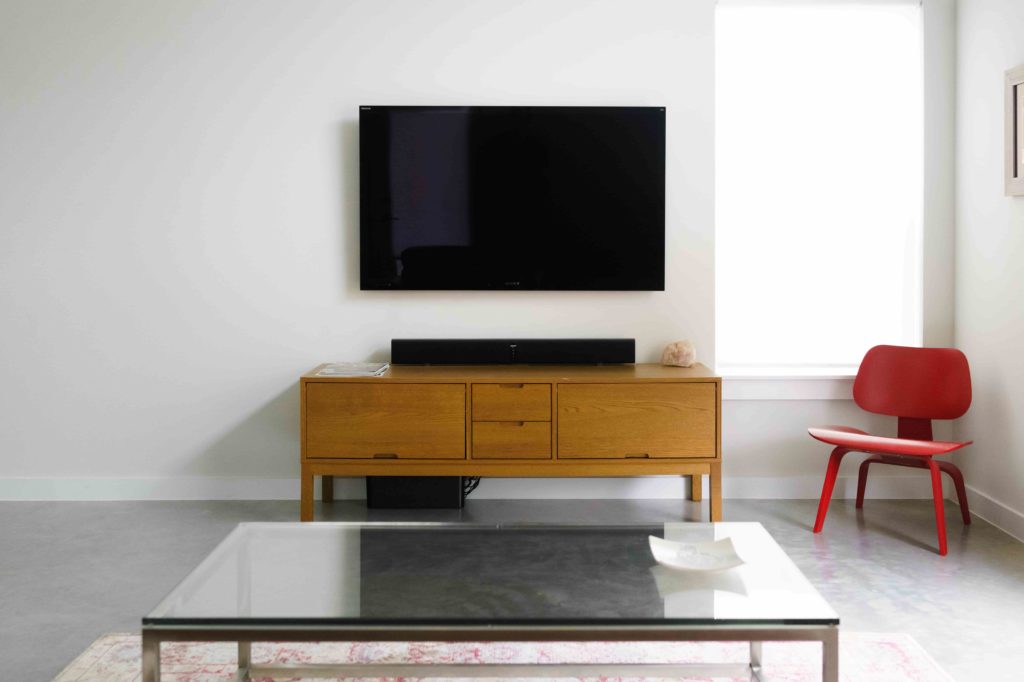
1. Function takes priority over decoration
Bauhaus design always prioritizes function over aesthetic appeal. This doesn’t mean we have to give up on having designs we like; rather, it encourages us to choose pieces that are both decorative and functional, thus achieving this dual benefit.2. Authentic materials in vibrant colors
Bauhaus design utilizes authentic materials such as metals, wood, steel, glass, plastic, and even leather . Interestingly, the Bauhaus style enhances industrial design with vibrant colors like chrome, gray, brown, white (very fashionable), and even black . These tones are also trending in industrial and other fashion designs.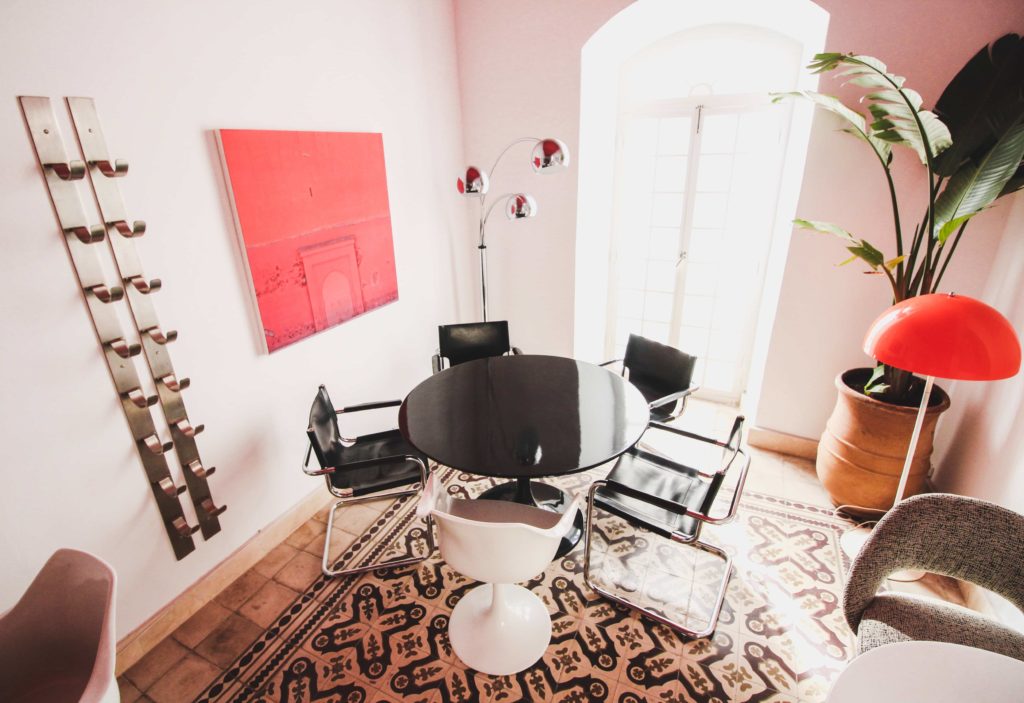
3. Minimalist orientation
Intrinsically, if we use furniture with different practical functions and pure materials that are shown as is, we achieve a cleaner and clearly minimalist visual effect.4. Linear or geometric shapes
In the Bauhaus decorative style, linear and geometric forms are preferred . Ideally, a combination of both is used, as lines allow for a more organized view of each structure, while geometric shapes soften the rigidity of the lines, creating a more welcoming atmosphere.Design inspired by the Bauhaus style has been modernized in such a way that it has managed to maintain its popularity over the years without abandoning its fundamental principles.
3 key ideas to understand Bauhaus design
- Based on the premise that the Bauhaus style does not seek a superb appearance, but rather an orderly and efficient one, it will always opt for multifunctionality and space .
- Bauhaus design aims to be economical, so it focuses on classic, functional decorative pieces with simple lines that never go out of style .
- The preferred materials of the Bauhaus style are plastic, steel, and glass. Leather upholstery and wood are also very popular materials that we can choose to incorporate into our homes, or not. Two types of upholstery that have become very popular in Bauhaus design today are the tufted and Chesterfield styles.
Simplicity as an interior design and lifestyle style
The Bauhaus style has always focused on simplicity and functionality. It favors multifunctional furniture with precise geometric lines that flow smoothly across the background. This involves applying the ‘less is more ‘ principle and, therefore, resulting in a greater usable surface area that is also visually perceived. Simplicity in the Bauhaus style also implies opting for a lack of ornamentation, with all the benefits that this entails. The fact that this style is predominantly minimalist does not prevent it from being possible to enjoy an interior design based on the Bauhaus style with much more color than most minimalist decoration proposals.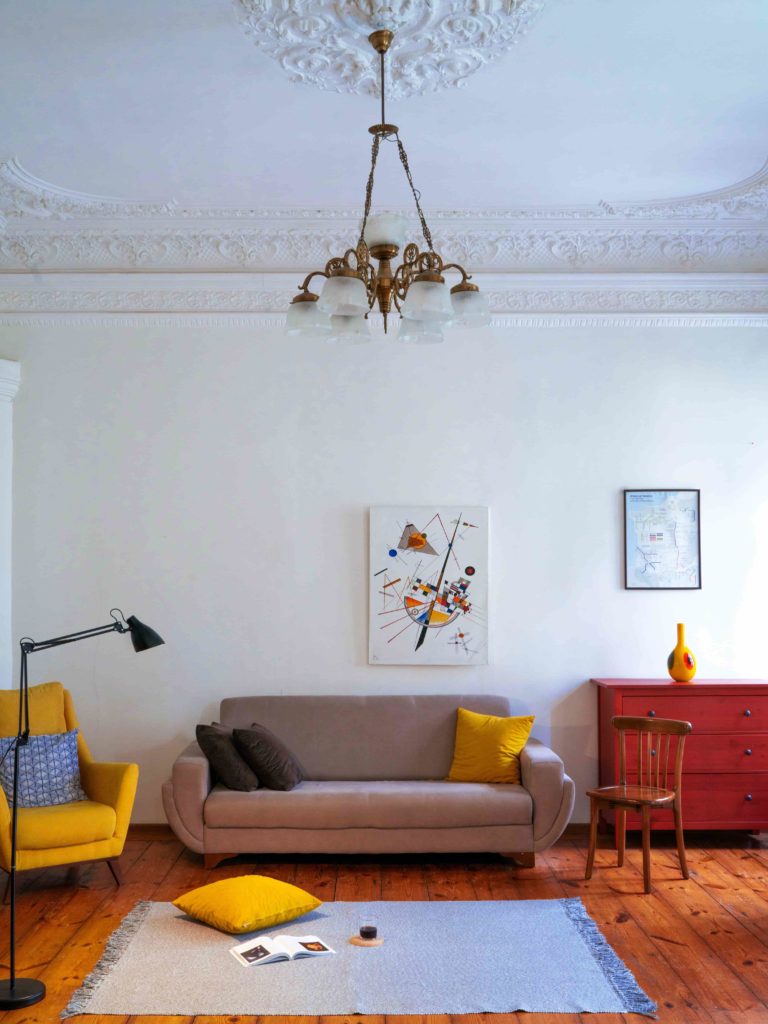
The Bauhaus style has a close relationship with the industrial style
At this point we find another basic difference between Nordic or Scandinavian minimalist proposals and those offered by Bauhaus design. The former use wood as their main support. In contrast, in the Bauhaus style wood is permitted, but industrial materials predominate, from which pieces and furniture of simple functionality and very geometric design are born with surprisingly elegant results. A Bauhaus-inspired table model that you have probably seen in shops, buildings or private homes is the glass table with steel legs, sometimes with gold finishes.Colors typical of Bauhaus design
The colors of the Bauhaus style are another of its distinctive characteristics. They were implemented by the Swiss painter Johannes Itten, who taught at the Bauhaus school. This is the school from which the Bauhaus style originated and was founded in 1919 by Walter Gropius until the Nazis ended it because they considered that it promoted communism. The colors that were intended to be applied from the engineering perspective to the furniture and other accessories were the primary colors, a short but quite varied range that includes red, blue, yellow, white or black . This precise range of colors can be combined to achieve a wide variety of effects : energizing, professional, relaxed, and so on. This distinctive color palette is one of the reasons why the Bauhaus style is so admired in different areas of design.Bauhaus style loves shapes!
Another key characteristic of Bauhaus design is its pursuit of minimalism, achieved through the use of both linear and geometric forms. This is why many accessories, such as magazine racks or chairs , appear sophisticated at first glance, but upon closer inspection reveal patterns of rectangles, squares, honeycombs, and more.Have you fallen in love with the Bauhaus style? You can apply it to the construction or renovation of your home, both in terms of architecture and design, and the best part is, we know how to do it. Can we help you?